

Storm Surge? A Flood of Lawsuits After the Texas Freeze
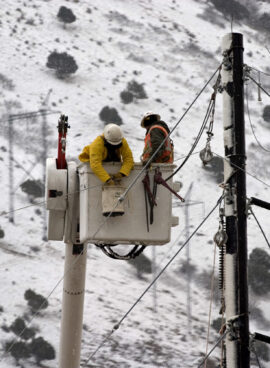
When winter storms created a state of emergency in all of Texas’ 254 counties, causing the lights, water, and heat to go out when they were needed the most, many Texans began looking for someone to blame. The Electric Reliability Council of Texas (ERCOT) has become the favorite scapegoat of the moment. In the days since Texas began to thaw out, several lawsuits have been filed against ERCOT, ranging from class-actions to a wrongful death suit regarding an 11-year old boy who died of hypothermia in his own home. With the spotlight on ERCOT more than ever, questions have been raised about th

When Harvey Met Sandy: A Resilient Story
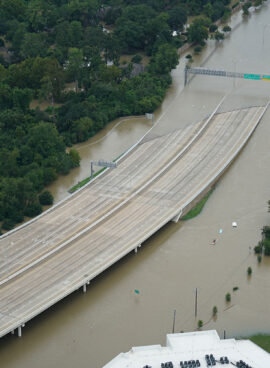
The premise is simple–infrastructure should be “resilient”. The practice is more difficult. Since Hurricane Sandy, a significant amount of research has been conducted on designing and constructing “resilient” infrastructure. Almost all of the research has focused on increased surface temperatures of the earth and associated increased risks of flooding and catastrophic rain events, such as Hurricane Harvey. Little attention has been paid to increased probability of extreme cold weather events precipitated by disruptions in Artic weather patterns. But as the Texas Valentineâ€


Legislative Update: Three Pending Bills of Interest to the Construction Industry
The Texas Legislature is underway and heading towards May 31, 2021, when the Regular Session will end. We are also fast approaching the deadline by which bills and resolutions, other than local and emergency bills, must be filed which is March 12, 2021. Here are three pending pieces of legislation which may be of particular interest to members of the construction industry.
1. Contractor Liability SB 219 – Civil Liability and Responsibility for the Consequences of Defects in Plans, Specifications, or Related Documents for Construction and Repair of Real Property Improvements (Companion Bi

Bring It On? The State of (Texas) Construction
March 19, 2021 marks one year since Governor Abbott’s first Emergency Order relating to social distancing and business shutdowns related to the COVID-19 pandemic. To say a lot has happened over the last 12 months may be the understatement of the very young decade . Add an historic snow and ice storm that impacted the entire State in mid-February, 2021 and you can get the feeling we are reenacting the story of Exodus, ten plagues and all.
However, for members involved in the design and construction industry, the exodus has largely been to, not from, Texas. While some Texas-based or Texas-he


Masquerade Ball: New Federal Mask Orders
Since his inauguration on January 21, 2021, President Joe Biden has signed over 30 executive orders. Of particular note, President Biden signed two important COVID-19-related orders within a day of being sworn into office. Those orders were issued to try to curb the spread of COVID-19 by mandating mask-wearing on Federal property, airports, planes, buses, and trains.
The first of the two orders, Executive Order 13991, requires all heads of executive departments and agencies to require compliance with CDC guidelines regarding nose/mouth coverings, maintaining physical distances, and other p


Oops!…I Did It Again: Case Note: Mark S. Burke, Et Al. V. J.B. Roberson, Jr., Et Al.
Britney Spears probably did not envision that title of her most famous song would apply with equal vigor to love (her interpretation) and contract provisions requiring mediation as a condition precedent to filing arbitration (our interpretation). A recent case from the Houston Court of Appeals styled Mark S. Burke, et al. v. J.B. Roberson, Jr., et al. shows how many times a party may have to do it (arbitration) again when it fails to fulfill a mediation condition precedent in the contract.
A “binding dispute resolution” clause is found in most standard form construction contracts. It o


The Road (Previously) Not Taken: OSHA Issues New COVID-19 Workplace Guidance
One day after he was inaugurated, President Joe Biden followed through on a campaign promise to labor unions by ordering the Occupational Safety and Health Administration (OSHA) to begin the process of developing COVID-19 Emergency Temporary Standards (ETS) for employers.
OSHA responded by issuing new non-binding guidance on mitigating and preventing the spread of COVID-19 in the workplace. Any potential ETS that OSHA deems necessary must be adopted by March 15th. If OSHA chooses to issue ETS, the standards would take effect immediately and last no longer than six months, unless they are event

